
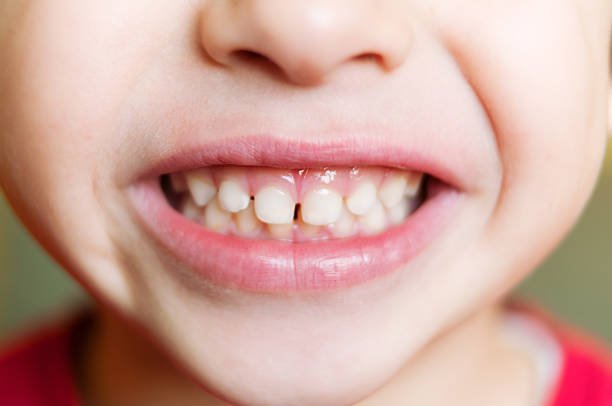
by lamidontist
“They’re only baby teeth. They’ll fall out
anyway.”
You may have heard this before. Maybe a child has a cavity in one of their back teeth, and someone says:“Don’t worry about it. It’s just a milk tooth.”But is that really true? If milk teeth are eventually replaced by permanent teeth, why do we need to take care of them?The answer is simple: Milk teeth may be temporary, but they are definitely not unimportant. Let’s understand why.
What Are Milk Teeth?
Milk teeth are the first set of teeth that appear in a child’s mouth.They are also called:
• Baby teeth • Primary teeth •Deciduous teeth
Children usually have 20 milk teeth in total—10 in the upper jaw and 10 in the lower jaw. They usually begin appearing when a baby is around 6 months old, although the exact timing can vary from child to child. By around 2½–3 years of age, most children have their full set of 20 primary teeth. And yes, eventually, these teeth are replaced by permanent teeth. But that doesn’t mean they can simply be ignored.
Milk Teeth Help Children Eat
One of the most obvious jobs of teeth is chewing. Children need their teeth to bite and chew a variety of foods as they grow. A painful or severely decayed tooth can make eating uncomfortable. A child may start avoiding foods that require more chewing because their mouth hurts. So a cavity in a milk tooth isn’t simply a cosmetic issue. A painful baby tooth can affect everyday activities such as eating.
Milk Teeth Help With Speech
Teeth also play a role in producing certain sounds. As children learn to speak, the position of their tongue, lips, and teeth works together to produce clear speech. As children develop, healthy teeth provide part of the normal oral environment needed for this process.
One of the Most Important Jobs: Saving Space
Permanent teeth don’t simply appear wherever they want. Milk teeth help maintain the space needed for permanent teeth. Think of it like parking spaces. If a car is occupying its designated parking space, another car knows where it belongs once that space becomes available. Similarly, a healthy milk tooth helps preserve the space needed for the permanent tooth that will eventually replace it.
What Happens If a Milk Tooth Gets a Cavity?
This is where the common statement—“It’s going to fall out anyway.”—can become a problem. A cavity in a milk tooth can become larger
and deeper if it is not treated. As the decay progresses, the tooth may
become painful or infected. And if the tooth has to be removed much
earlier than it naturally would have been lost, the space it was maintaining may be affected. In some situations, the dentist may
recommend a space maintainer after early loss of a primary tooth. Whether one is needed depends on factors such as the child’s age, which tooth was lost, the development of the permanent tooth, and the amount of space available.
Can a Milk Tooth
Get Infected?
Yes. Milk teeth can develop cavities just like permanent teeth. If decay progresses deeply, it can affect the inner part of the tooth and may lead to infection. A child may experience:
• Toothache
•Sensitivity
• Pain while eating
• Swelling around the tooth
• Difficulty sleeping because of dental pain
Sometimes, however, a child may have significant decay without clearly complaining about pain.That’s why regular dental check-ups are important.
“But My Child Doesn’t Have Any Pain.”
No pain doesn’t always mean no problem. Dental decay can develop gradually. A small cavity may not cause noticeable symptoms in the beginning. By the time a child starts complaining about pain, the decay may already be more advanced. So waiting for a child to say “My tooth
hurts” isn’t the best way to decide whether their teeth are healthy.
Should Milk Teeth Be Brushed?
Absolutely. Milk teeth need to be cleaned just like permanent teeth. In fact, oral care should begin even before the first tooth appears by gently cleaning the baby’s gums. Once teeth start appearing, parents should
help with brushing using an age-appropriate toothbrush and fluoride toothpaste in an appropriate amount. Young children often don’t have the coordination to brush effectively on their own, so parents or caregivers should supervise and help them.
What About Toothpaste With Fluoride?
Fluoride helps strengthen tooth enamel and makes teeth more resistant to decay. Children should use fluoride toothpaste in an age-appropriate amount and learn to spit rather than swallow it. Because recommendations can vary depending on a child’s age and individual circumstances, parents should follow advice from their dentist regarding the appropriate toothpaste and amount.
Can Milk Teeth Be Filled?
Yes. A decayed milk tooth may sometimes be treated with a filling, depending on the extent of the decay and the tooth’s expected time remaining in the mouth. The goal isn’t necessarily to keep the tooth
forever. The goal is to keep it healthy and functional until it is naturally ready to be replaced. Depending on the condition of the tooth,
treatment could include a filling, a child-specific crown, pulp treatment, or extraction. The dentist decides the appropriate treatment after examining the tooth.
When Should a Child First Visit the Dentist?
A child’s first dental visit is generally recommended by the time the first tooth appears, and no later than the child’s birthday. An early visit isn’t only about treating cavities. It gives parents an opportunity to learn about:
• Brushing techniques
• Fluoride toothpaste
• Diet and sugary snacks
• Bottle and feeding habits
• Thumb-sucking and other oral habits
• Fluoride exposure
• How to prevent early childhood cavities
Think of the first dental visit as aprevention visit, not just a treatment visit.
What About Sweet Foods?
Children naturally enjoy sweet foods. The problem isn’t simply that a child eats something sweet once. How often sugary foods and drinks are
consumed also matters. Frequent exposure to sugars throughout the
day gives the bacteria in dental plaque repeated opportunities to produce acids that can damage teeth.So instead of constantly offering small
sugary snacks or drinks throughout the day, parents can work with their dentist or healthcare provider to establish healthier eating and drinking routines.And don’t forget that some drinks marketed for children can also contain sugars.
What If a Milk Tooth Falls Out Early?
Sometimes milk teeth are lost naturally when the permanent tooth is ready to come through. That’s normal. But if a milk tooth is lost much earlier than expected because of decay, infection, or injury, it may be worth discussing with a dentist. Depending on the situation, the dentist may monitor the space or recommend a space maintainer. The important point is: Early tooth loss shouldn’t simply be ignored.
Should We Worry About Slightly Loose Milk Teeth?
Not necessarily. As a permanent tooth develops underneath,
the root of the milk tooth gradually resorbs. The milk tooth can then become loose and eventually fall out, making room for the permanent tooth. So when a child proudly announces: “Look! My tooth is moving!” it may simply be a normal part of growing up. However, a tooth becoming loose because of decay, infection, or injury is different and should be evaluated.
What If a Permanent Tooth Is Coming In Behind a Milk Tooth?
Sometimes parents notice a permanent tooth appearing behind or in front of a milk tooth. This can look alarming. In some children, the milk tooth falls out naturally and the permanent tooth gradually moves into a better position. But not every situation is the same. If the baby tooth remains in place while the permanent tooth is erupting, or if the position looks unusual, a dentist can determine whether observation is appropriate or whether treatment is needed.
Common Myth:
“Milk Teeth Don’t Need Dental Treatment.
Milk teeth can develop cavities,
infections, and other problems that may require treatment. Treating a primary tooth isn’t about keeping a temporary tooth forever. It’s about protecting the child’s comfort, function, oral health, and normal development while that tooth is still needed.
Common Myth:
“Cavities in Baby Teeth Don’t Matter.”
Untreated decay can cause pain and infection and may sometimes lead to premature tooth loss.A child’s first set of teeth deserves proper care even though it won’t last forever.
How Can Parents Protect Their Child’s Milk Teeth?
A few simple habits can make a big difference:
• Start cleaning the mouth from infancy.
• Brush the child’s teeth twice a day with fluoride toothpaste appropriate for their age.
• Help young children brush effectively.
• Avoid frequent sugary snacks and drinks.
• Encourage water as a regular drink.
• Don’t put a baby to sleep with a bottle
containing milk, formula, juice, or other sugary drinks.
• Arrange regular dental check-ups.
• Don’t wait for toothache before seeing a
dentist.
• Ask your dentist about fluoride and
preventive treatments appropriate for your child.
The Bottom Line
Milk teeth may be temporary. Their importance isn’t. They help children eat, speak, grow, and maintain the space needed for their permanent teeth. So the next time someone says, “It’s only a milk tooth.”remember: It’s a temporary tooth doing a very important job.Take care of it while it’s there.Because good dental habits learned with milk teeth can stay with a child long after those teeth are gone.
Remember
Baby teeth are temporary. Good oral health habits shouldn’t be.
Frequently Asked Questions
How many milk teeth does a child have?
Most children have 20 primary teeth—10 in the upper jaw and 10 in the lower jaw.
At what age do milk teeth start appearing?
The first milk teeth commonly begin appearing around 6 months of age, although the timing varies between children.
Do milk teeth need fillings?
Sometimes. If a milk tooth has decay, the dentist will decide whether a filling or another treatment is appropriate based on the tooth’s condition and how long it is expected to remain in the mouth.
Is it okay if a milk tooth falls out early?
If it falls out naturally at the expected time, that’s normal. If it is lost much earlier because of decay, infection, or injury, the child should be assessed by a dentist.
Do milk teeth affect permanent teeth?
Milk teeth help maintain space and guide the eruption of permanent teeth. Problems involving primary teeth can sometimes affect the developing permanent teeth or the available space.
When should my child’s first dental visit be?
A child’s first dental visit is generally recommended when the first tooth appears and no later than the first birthday.
Should children use fluoride toothpaste?
Yes, fluoride toothpaste is an important part of preventing dental decay in children. The appropriate amount depends on the child’s age, so parents should follow current professional guidance and their dentist’s advice.
Medical note: This article is for general educational purposes and does not replace an examination or personalized advice from a qualified dental professional.