
by lamidontist
Have you ever heard someone say,
“Don’t get your teeth cleaned. Scaling will loosen your teeth!”
Or perhaps you’ve noticed that your teeth feel slightly different after a dental cleaning and wondered if the procedure caused any damage.
This is one of the most common misconceptions about dental treatment.
The short answer is: No. Scaling does not loosen healthy teeth.
In fact, scaling helps keep your teeth healthy by removing harmful deposits that can damage your gums and supporting bone.
Let’s understand why this myth exists and what really happens during scaling.
What is scaling?
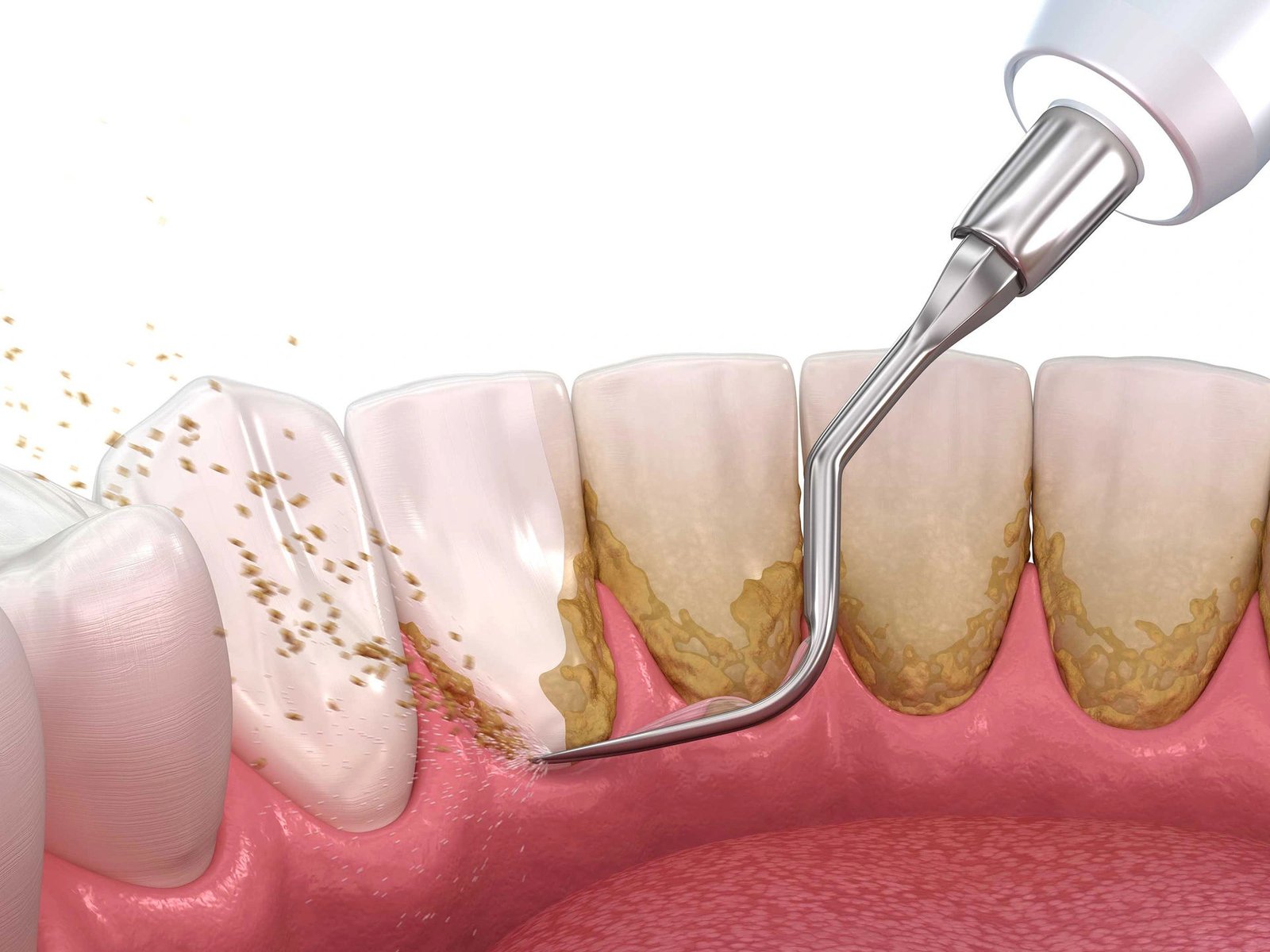
Scaling is a professional dental cleaning performed by a dentist or dental hygienist.
During the procedure, special instruments are used to remove:
- Plaque (a soft, sticky layer of bacteria)
- Calculus or tartar (hardened plaque)
- Bacteria from around the gum line
These deposits cannot always be removed by brushing alone, especially once plaque hardens into calculus.
Scaling helps prevent gum disease and keeps your gums healthy.
Why do people think scaling loosens teeth?
The answer lies in calculus (tartar).
When plaque is not removed regularly, it hardens into calculus.
Over time, calculus builds up around the teeth, especially near the gums.
Unfortunately, this buildup doesn’t just sit on the teeth—it also causes inflammation and gradually destroys the bone and tissues that support your teeth.
In advanced gum disease, the teeth may already be loose because some of the supporting bone has been lost.
The thick layer of calculus may act like a “bridge” around these loose teeth, making them feel slightly more stable than they actually are.
When the dentist removes this calculus during scaling, the teeth may suddenly feel different.
This often makes people believe that the scaling loosened the teeth.
But the truth is, the teeth were already loose because of gum disease. The scaling simply removed the harmful deposits that were hiding the problem.
Does scaling damage healthy teeth?
No.
Scaling is designed to remove plaque and calculus—not healthy tooth structure.
When performed by a trained dental professional, it is a safe and essential procedure.
Millions of people undergo scaling every year to maintain healthy gums and teeth.
Why do teeth feel sensitive after scaling?
Some people notice temporary sensitivity after a dental cleaning.
This is completely normal and usually improves within a few days.
There are several reasons for this.
1. The roots may become exposed
If a thick layer of calculus covered parts of the tooth near the gum line, removing it exposes the natural tooth surface underneath.
This area may be more sensitive to cold air, cold water, or sweet foods for a short time.
2. Your gums are healing
Inflamed gums are swollen.
Once the plaque and calculus are removed, the gums begin to heal and become healthier.
As the swelling reduces, the gums fit more snugly around the teeth. During this healing period, mild sensitivity is common.
3. The teeth are finally clean
Before scaling, thick deposits may have acted like an unwanted covering over sensitive areas.
Once these deposits are removed, you may temporarily notice temperature changes more easily.
Should I avoid scaling because of sensitivity?
Absolutely not.
Avoiding scaling because you’re worried about temporary sensitivity is like avoiding washing a wound because it may sting for a few moments.
The brief discomfort is far less harmful than allowing plaque and calculus to remain on your teeth.
Without treatment, gum disease can progress and lead to:
- Persistent bad breath
- Bleeding gums
- Gum recession
- Bone loss
- Loose teeth
- Tooth loss
A little temporary sensitivity is much easier to manage than advanced gum disease.
How long does sensitivity last?
For most people, sensitivity lasts only a few days.
In some cases, it may take a couple of weeks, depending on the amount of calculus removed and the health of the gums.
Your dentist may recommend:
- A toothpaste designed for sensitive teeth
- Avoiding extremely hot or cold foods for a short period
- Maintaining good oral hygiene
- Returning for review if the sensitivity persists
Can scaling prevent tooth loss?
Yes.
Regular scaling removes the bacteria that cause gum disease.
Healthy gums and healthy bone are what keep your teeth firmly in place.
By treating gum disease early, scaling helps protect the supporting structures of your teeth and reduces the risk of tooth loss.
How often should scaling be done?
The frequency varies from person to person.
Many people benefit from professional cleaning every six months, while others with gum disease, braces, or certain medical conditions may need it more frequently.
Your dentist will recommend a schedule based on your oral health.
How can I reduce the need for heavy scaling?
The best way is to prevent plaque from building up.
You can do this by:
- Brushing twice a day with a soft-bristled toothbrush.
- Cleaning between your teeth daily using floss or interdental brushes.
- Limiting sugary snacks and drinks.
- Drinking enough water.
- Visiting your dentist regularly.
Good daily care means less plaque, less calculus, and easier dental cleanings.
Myth vs Fact
❌ Myth: Scaling loosens teeth.
✅ Fact: Scaling does not loosen healthy teeth. Teeth that feel loose after scaling were usually already affected by gum disease. The procedure simply removes the calculus that was masking the problem.
Lamidontist’s Quick Tip🦷
If your dentist recommends scaling, don’t postpone it because of fear.
Temporary sensitivity usually settles within days, but untreated gum disease can lead to permanent damage.
Scaling protects your gums, preserves the bone around your teeth, and helps you keep your natural teeth for many years.
Key Takeaways
- Scaling is a safe and important dental procedure.
- It removes plaque and hardened calculus that cannot be removed by brushing alone.
- Scaling does not loosen healthy teeth.
- Temporary sensitivity after scaling is common and usually improves within a few days.
- Regular professional cleaning helps prevent gum disease and tooth loss.
- Good daily oral hygiene reduces plaque buildup and keeps your smile healthy.
A Final Word
Don’t let fear or myths stop you from getting the dental care you need.
Think of scaling as a deep cleaning for your teeth and gums. Just as you wouldn’t ignore dust and dirt building up in your home, you shouldn’t ignore plaque and calculus in your mouth.
A little temporary sensitivity is a small price to pay for healthier gums, fresher breath, and a stronger smile.
If your dentist has recommended scaling, consider it an investment in your long-term oral health—your future smile will thank you.
Disclaimer: This article is for educational purposes only and should not replace a consultation with a qualified dental professional. If you have persistent tooth sensitivity, loose teeth, or concerns about your oral health, please consult your dentist for a proper examination.